The Best Amino Acids For Muscle Growth? All of Them. Here's The Best Way to Get Them.
Amino acids are, literally, essential for muscle growth.
They’re the building blocks of protein, and your body depends on them to repair, recover, and grow stronger after every workout. But with so many amino acid supplement products out there, all marketed to support muscle growth, it's easy to wonder which ones you need.
You need all of them. And you should focus on getting all of them. But there are few that you should emphasize when it comes to muscle repair and performance.
Here are the common amino acid supplements that are claimed to support muscle growth.
| Supplement | Key Benefits | When to Take |
|---|---|---|
| BCAA | Promotes recovery, reduces fatigue | During or after workouts, if fasted. Not necessary for most people if you get enough protein. |
|
EAA |
Promotes muscle growth | During or after workouts. Effective, but not necessary if supplementing with protein. |
| Creatine | Boosts strength and muscle mass | Daily, anytime. Great for almost everybody. |
| Kaged Glutamine | Supports recovery and gut health | Post-workout, only for intense training. |
| Kaged Whey Protein Isolate | Provides complete amino acid profile | Post-workout or meal. Great for almost everybody to ensure optimal amino acid intake. |
In this article, we’ll break down:
-
The key amino acids that drive muscle growth and how to get them
-
The difference between EAAs, BCAAs, and non-essential amino acids
-
When it makes sense to supplement
Before you think about buying too many amino acid supplements, ask yourself if you’re eating enough protein.
If you eat enough protein from the right sources, you’ll be 95% of the way there to getting the optimal amount of aminos acids for muscle growth.
So the short answer to the question of the best amino acids for muscle growth is all of them. Eating enough protein is the key to getting in all of the amino acids you need to build muscle.
But let’s dig deeper. While all amino acids play a role in muscle growth, some are more crucial than others, especially if you’re trying to build muscle.
The Essential Amino Acids: Eat Complete Proteins
When it comes to muscle growth, the essential amino acids (EAAs) are non-negotiable. These nine amino acids cannot be produced by the body and must be obtained through your diet. The good news? If you're eating plenty of complete proteins, you're already getting all the EAAs you need. Here they are…
- Histidine
- Isoleucine
- Leucine
- Lysine
- Methionine
- Phenylalanine
- Threonine
- Tryptophan
- Valine
Complete proteins contain all nine essential amino acids in adequate amounts, making them a powerhouse for muscle protein synthesis.
Sources of Complete Protein to Get All The Amino Acids You Need
Animal-Based Complete Protein
- Meat and Poultry: Chicken, turkey, beef, and pork are excellent sources of high-quality protein and essential nutrients like iron and zinc. Make a few of these staples.
- Fish: Salmon, tuna, and mackerel not only provide complete protein but also contain heart-healthy omega-3 fatty acids.
- Eggs: A versatile source of complete protein, with each egg providing about 6 grams of protein.
- Dairy Products: Milk, cheese, and Greek yogurt are rich in protein and essential nutrients like calcium. Whey protein also falls into this category.
Plant-Based Complete Proteins
- Some soy products: Tofu, tempeh, and edamame are made from soybeans and are excellent plant-based complete protein sources.
- Quinoa: An ancient grain that is a complete protein and can be used as a substitute for rice in various dishes.
- Buckwheat: Another grain-like seed that provides all nine essential amino acids.
- Hemp Seeds: These seeds are a good source of complete protein and can be added to various dishes.
Combining Plant-Based Proteins
Combining different plant proteins can create a complete protein profile, ensuring all essential amino acids are consumed. Here are some effective combinations:
- Rice and Beans: This classic combination provides a complete protein by pairing grains, which are low in lysine, with legumes, which are low in methionine and cysteine.
- Rice and Chickpeas: Chickpeas, or garbanzo peas, combined with rice also hits the mark.
- Rice and Lentils: Sensing a theme? Similar to rice and beans, this combination offers a complete protein
- Whole Wheat Bread and Peanut Butter: The combination of whole grains and legumes (peanuts) creates a complete protein. Watch out for how calorically dense this is, but it’s a great snack for hardgainers.
- Tofu and Vegetables: While tofu is already a complete protein, pairing it with a variety of vegetables can enhance the nutritional profile[4].
These combinations are examples of how plant-based eaters can ensure they receive all essential amino acids by varying their protein sources throughout the day.
Don’t Get The Optimal Amount From Your Diet? Look Into Protein Powder
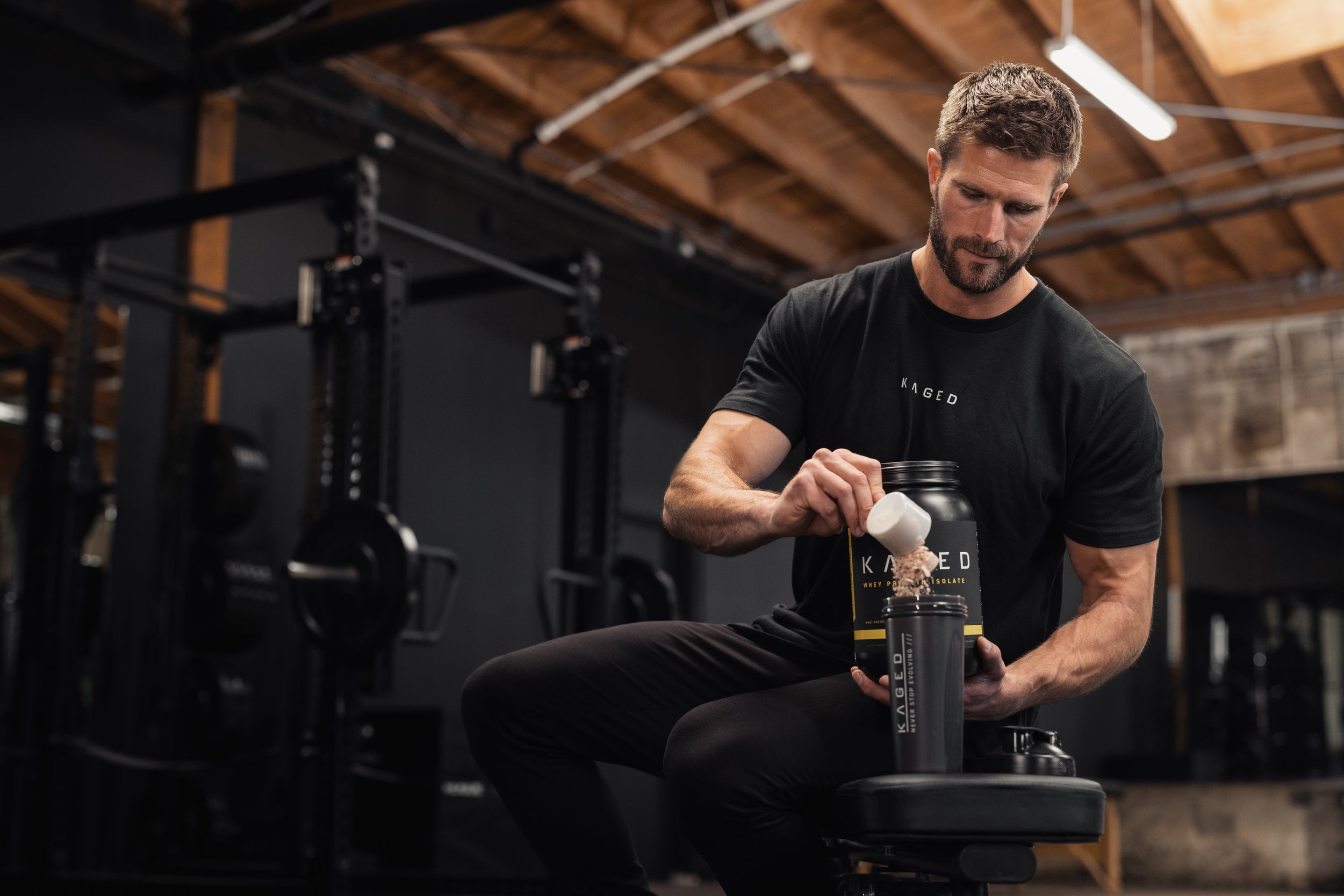
While whole foods should be your primary source of protein, protein powder supplements can offer a convenient way to ensure you're meeting your daily protein needs, especially if you're training hard.

, opens in a new tabSHOP PROTEIN
If you’re not hitting all your protein targets, start there before going crazy with individual amino acid supplements. Once you’ve got that down, then it can make sense to look at other options.
Amino-Acid Rich Recipes for Building Muscle
If it’s a question of the logistics of eating more protein, check out this article with 5 simple lean bulking recipes, opens in a new tab.
Branched-Chain Amino Acids (BCAAs): Also Key for Muscle Growth
There are 9 essential amino acids, and 3 of those (leucine, isoleucine, and valine) are considered "branched-chain" amino acids due to their molecular structure. They're often touted as the stars of the muscle-building show, due to their ability to activate muscle protein synthesis.
However, on their own, the research has shown that just taking BCAAs doesn't often translate into muscle growth. As we examine in this article, taking all of the essential amino acids has been shown to be more effective, opens in a new tab.
Should You Supplement with BCAA for Muscle Growth?
When It Makes Sense to Supplement:
Supplementing with BCAAs can be beneficial during prolonged exercise or fasted training.
The research on BCAAs effectiveness as a supplement is mixed. If your diet is already rich in complete proteins, you might not need additional BCAAs, but during periods of intense training or calorie restriction, they can provide an extra edge.
When It Doesn’t:
If you’re already consuming a sufficient amount of high-quality protein throughout the day, the need for additional BCAA supplementation may be minimal.
Whole foods provide a complete array of amino acids, so unless you're training in a fasted state or have specific dietary restrictions, you might not see significant benefits from BCAA supplements.

Kaged BCAA are 100% vegan, fermented, and non-GMO. Kaged uses a scientifically tested 2:1:1 ratio of BCAAs (L-Leucine: L-Isoleucine: L-Valine). Plus, with rapid and complete dissolution, Kaged BCAAs mix easily into water without leaving behind any cloudy residue.
Creatine: An Amino Acid-Like Molecule
Creatine is often referred to as an amino acid-like molecule, though it technically isn’t an amino acid. It’s made from three amino acids—arginine, glycine, and methionine—and is naturally found in muscle cells.

Creatine plays a critical role in producing adenosine triphosphate (ATP), the primary energy currency of your cells, which is especially important during high-intensity exercise like weightlifting and sprinting.
You don't get creatine from most foods, and if you do, it's rarely the optimal levels. It's one of the most well-researched supplements in existence.
If it’s your first time taking creatine, check out our article on creatine for beginners, opens in a new tab.
Glutamine: For Additional Recovery Support
Glutamine is the most abundant amino acid in the body, playing a crucial role in muscle recovery, immune function, and even gut health.
During intense exercise, your body's glutamine levels can be significantly depleted, which can impair recovery and immune function. While it's not classified as an essential amino acid, meaning your body can produce it, there are times when supplementation may be beneficial.
Again, if you're eating enough protein, you likely won't need extra glutamine supplemented separately.
Why You Might Supplement:
For athletes engaged in heavy training or those under stress, glutamine supplementation can help support recovery. It’s particularly useful if you're training frequently or at a high intensity, as it can aid in faster recovery and help reduce muscle soreness.* Additionally, glutamine is known for its role in supporting gut health.*
Prioritize Protein To Get The Amino Acids You Need
Building muscle requires more than just hitting the gym hard—you need to fuel your body with the right nutrients, and protein is at the top of that list. By ensuring you're consuming enough complete proteins, you're giving your muscles the essential amino acids they need to grow and recover.
Supplementing with specific amino acids like BCAAs, creatine, and glutamine can help. Of the three, creatine makes the most sense for most people.
At the end of the day, your protein intake is the foundation of your muscle-building efforts. Whether you’re looking to supplement your diet with a high-quality protein powder or boost your recovery with targeted amino acids, Kaged has you covered. Our products are formulated with the highest quality ingredients, third-party tested, and designed to support your performance goals.