


Supplements for Shift Workers and Night Training: What Research Says Helps
If you work nights and still train, your body is fighting your clock.
Shift work pushes your sleep and your workout into hours your circadian rhythm wants to spend resting, and that misalignment shows up as worse sleep, lower energy, and slower recovery.
The research on night shift workers is robust: it harms your sleep, your performance, and your overall health.
The right supplements won't undo a backwards schedule, but used with intent, they can blunt the damage and help you train and recover better around it.
The playbook breaks into three jobs: train with clean, well-timed energy. Protect the sleep you can get. And support recovery and hydration that a disrupted schedule tends to rob from you.
Get those three right, and you're doing the big things that can help offset the challenges with night shift work.
Why shift work makes training harder
Your circadian system actively promotes wakefulness during daylight, which is exactly when night-shift workers are trying to sleep.
That's why daytime sleep tends to be lighter, more fragmented, and shorter on the deep, slow-wave stages where most physical recovery happens. You can be in bed eight hours and still wake up under-recovered.
That sleep debt compounds. Less recovery sleep means less muscle repair, higher perceived effort in the gym, and a nervous system that's slower to bounce back between sessions.
Shift workers also tend to run low on vitamin D, simply because they're asleep during the hours sunlight is available. None of this means you can't make progress training on nights — it means the margin for sloppy habits is thinner, and the details matter more.
Step 1: Train with clean, well-timed energy
Caffeine is the most effective performance tool a shift worker has, and the easiest to misuse.
Timed well, it sharpens focus and output at the start of a shift or before a 2 a.m. training session.
Timed badly, it sabotages the daytime sleep you're already struggling to protect.
The rule that research supports is to use caffeine early in your shift or before you train, and stop at least 6 hours before you plan to sleep.
Caffeine has a long half-life, so a pre-workout at the end of a night shift can keep you wired when you finally get to bed at 8 a.m. Front-load it instead.
For the workout itself, you want energy and focus without a stimulant load that lingers. A pre-workout with a meaningful, clean caffeine dose and ingredients that support blood flow and endurance gives you the output without the all-day jitters of slamming coffee every few hours.
Step 2: Protect the sleep you can get
This is where shift workers win or lose. A few evidence-based tools help, and the dosing nuance matters:
- Magnesium supports the parasympathetic "rest" side of your nervous system and is involved in hundreds of processes tied to sleep quality and muscle relaxation. It won't knock you out, but it helps create the conditions for deeper rest.
- Light discipline beats any pill: blackout your sleep space, wear sunglasses on the drive home so morning light doesn't reset your clock the wrong way, and keep your wind-down consistent.
Think of supplements here as support for good sleep hygiene, not a substitute for it.
Step 3: Cover the gaps shift work creates
A disrupted schedule quietly drains a few specific things:
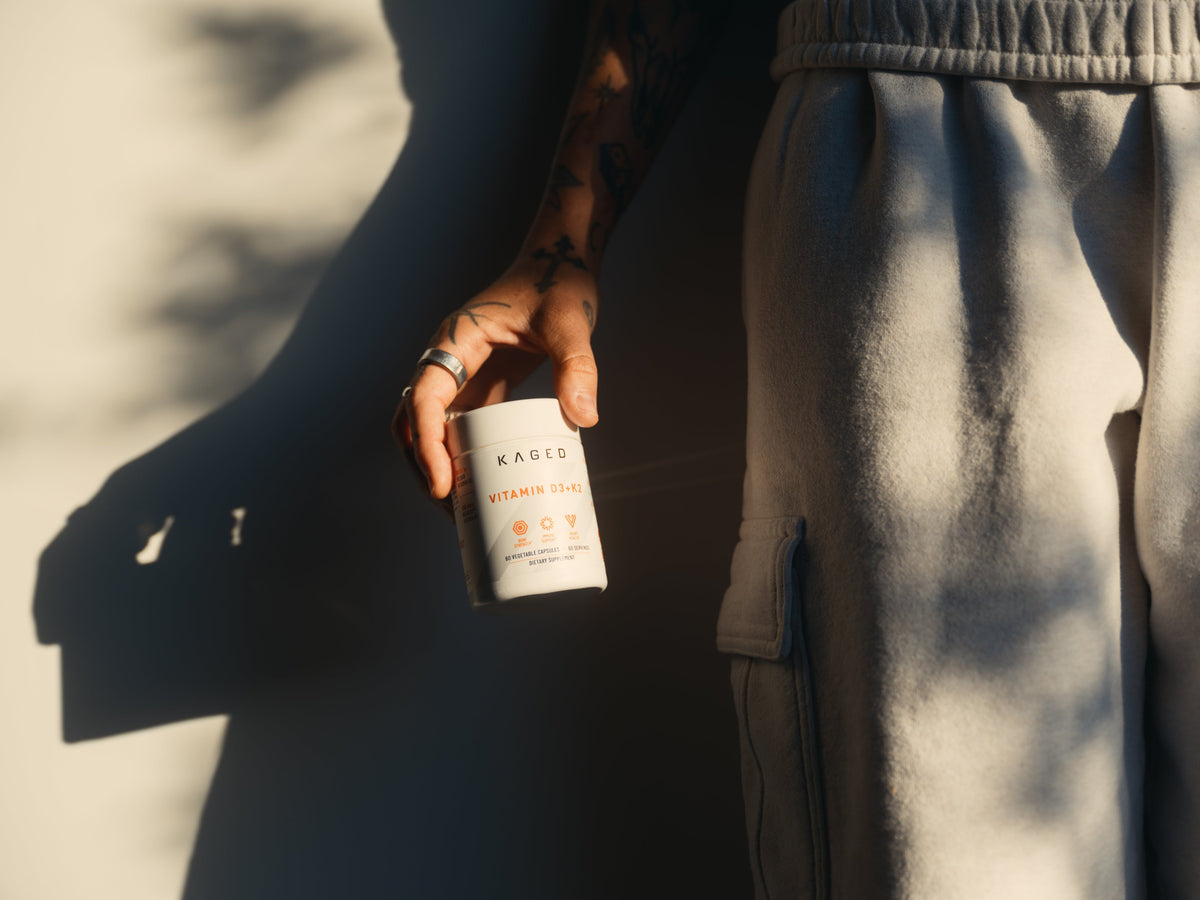
- Vitamin D. If you sleep through daylight, you're likely deficient. It's worth getting your levels checked, and daily D3 is one of the simplest, highest-value supplements a night worker can take — it ties into mood, immune function, and muscle performance.
- Hydration and electrolytes. Night training and irregular meal timing make it easy to show up under-hydrated. Electrolytes — sodium, potassium, magnesium — help you actually hold the water you drink and sustain output through a session, especially when your body's natural rhythms are working against you.
- Protein and creatine for recovery. When sleep-driven recovery is compromised, the recovery you can control matters more. Hitting your daily protein target (roughly 1.6–2.2 g per kg of bodyweight for active people) supports muscle repair, and creatine is one of the most researched supplements for strength and, notably, for buffering the cognitive fog of sleep deprivation.
A simple night-shift stack
Here's how it fits together across a shift you also train on:
- Shift start / pre-training: Pre-workout or caffeine for clean energy and focus — then cut caffeine 6 hours before bed.
- During the shift / session: Electrolytes and water to stay hydrated and sustain output.
- Post-training: Fast-digesting protein to feed recovery, plus creatine daily for strength and mental sharpness.
- Before daytime sleep: A low dose of melatonin and/or magnesium, blackout room, sunglasses on the way home.
Each item does one job at one point in the cycle, not one product trying to fix everything at once.
The Kaged approach
We build formulas to supplement the hard work you put in and get the most out of your training and life.
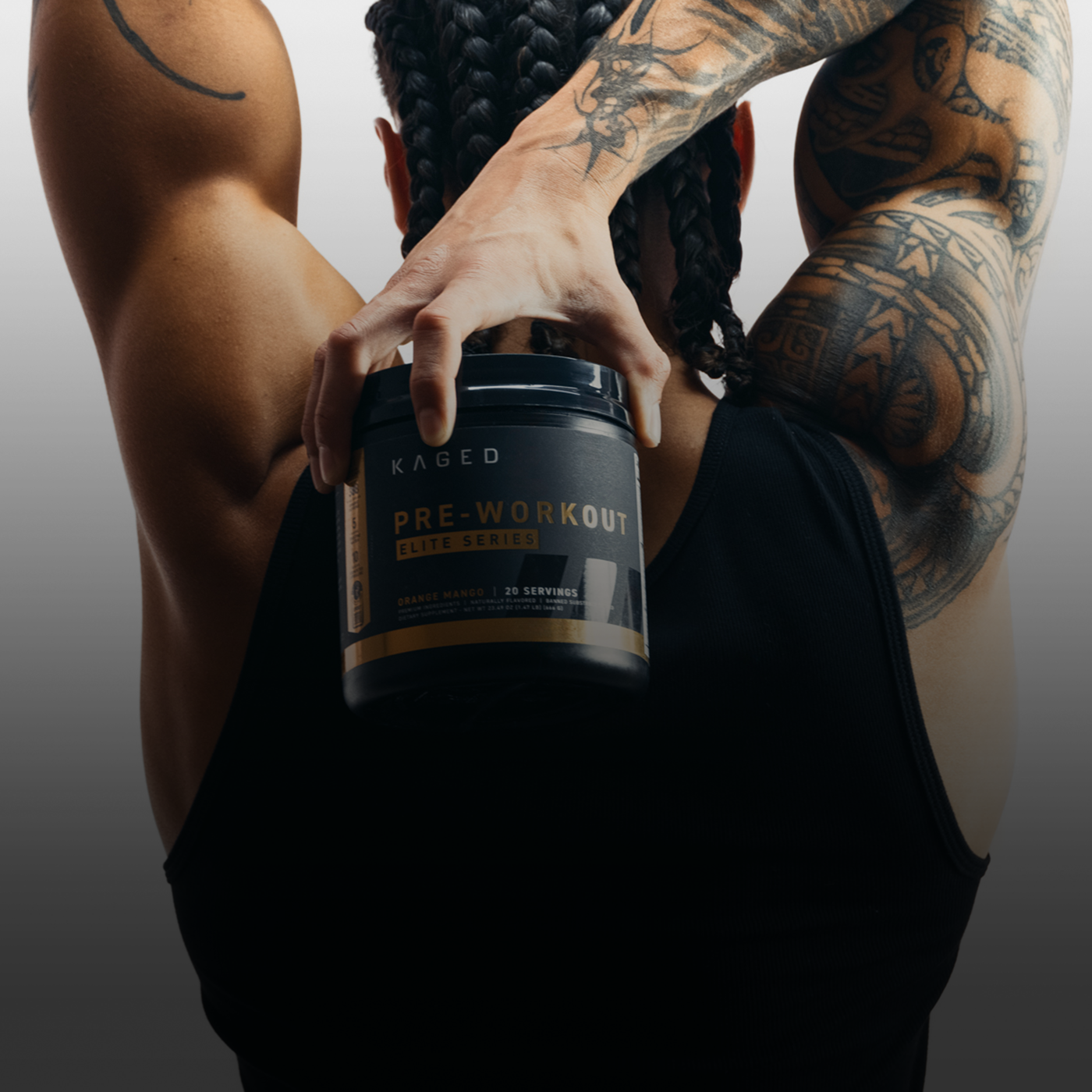
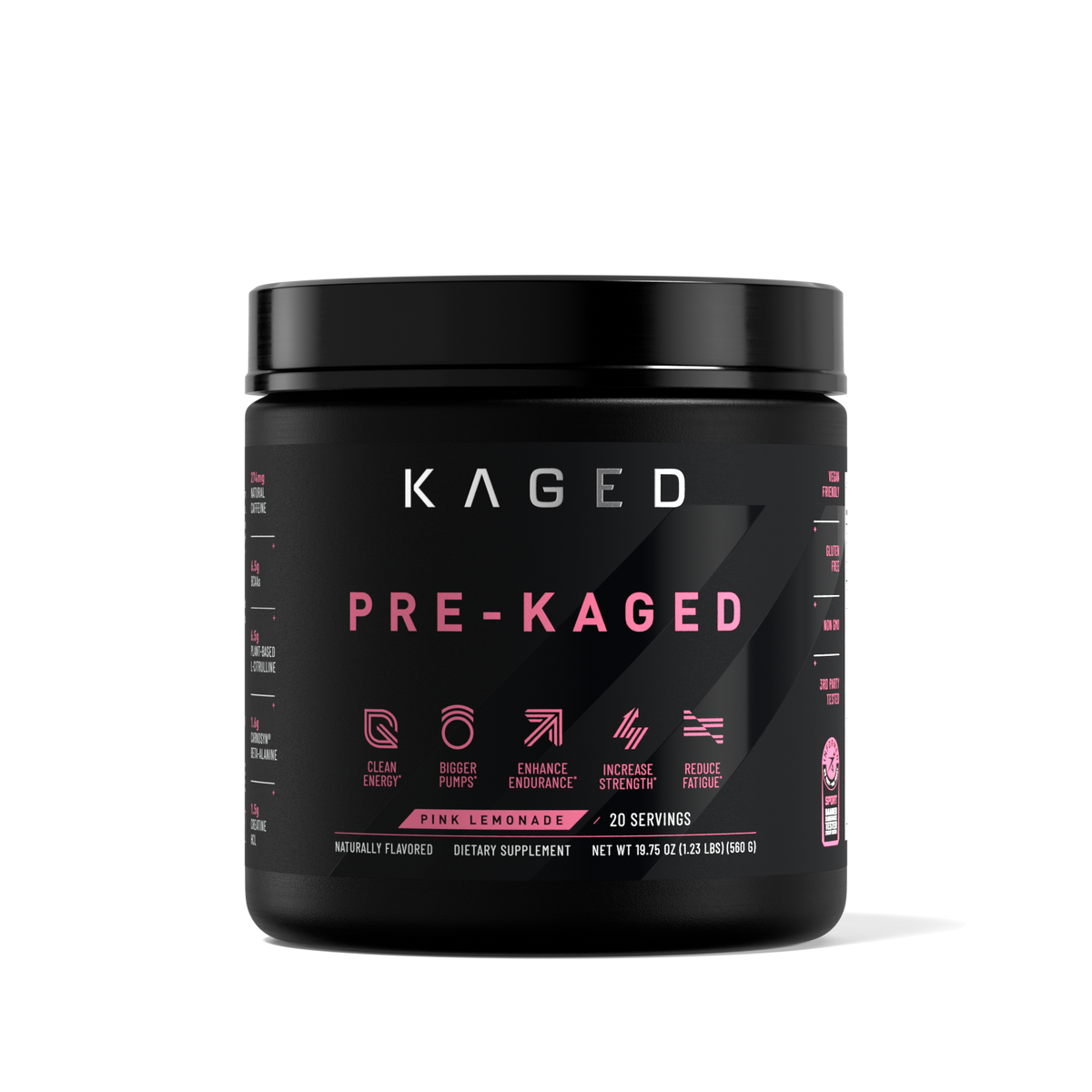
Our pre-workouts deliver natural caffeine plus the most well-researched pre-workout ingredients out there.
You can choose from moderate to high-stim options, depending on your schedule.
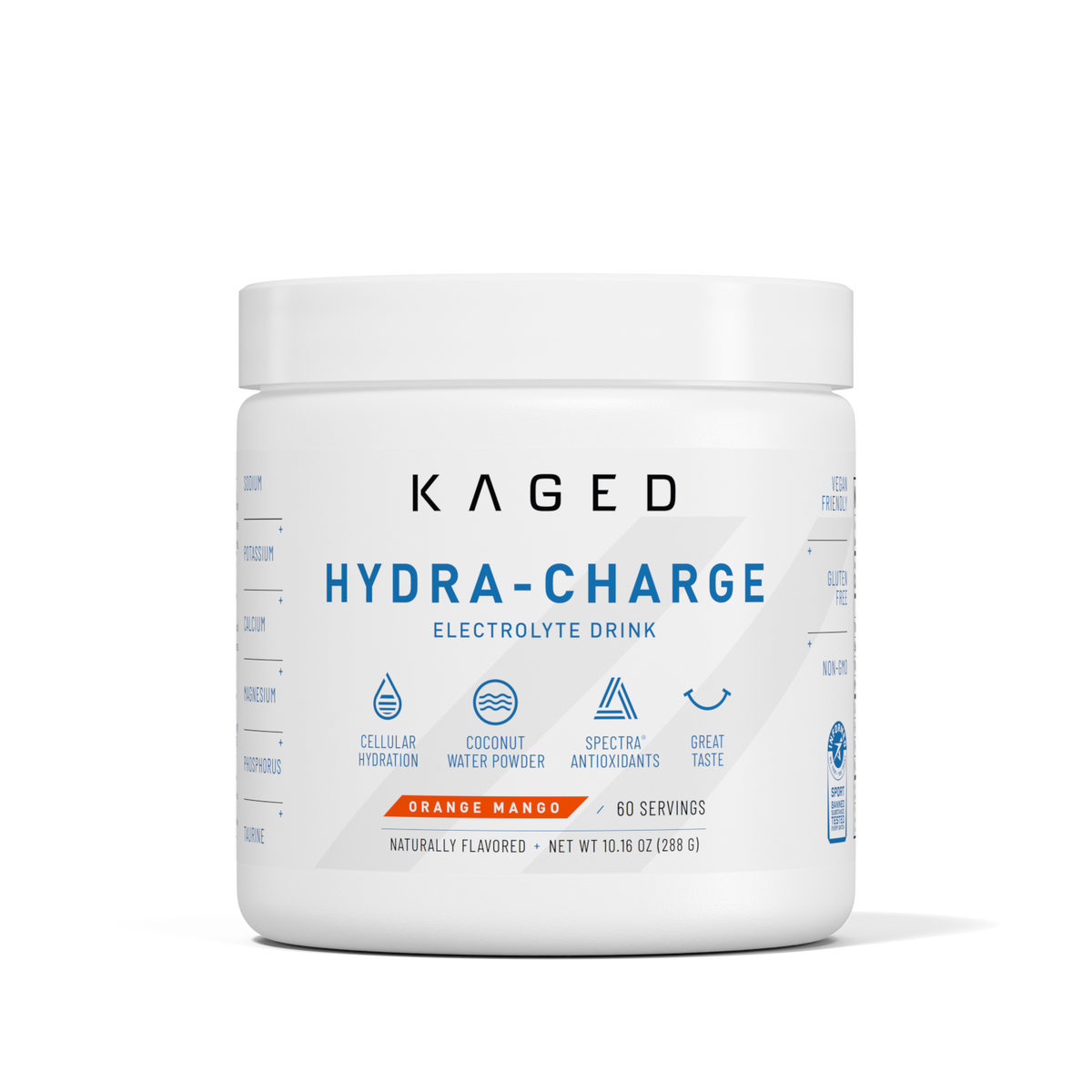
Hydra-Charge covers the hydration slot with electrolytes to help you sustain a session your body's clock is working against.
And we have many options for ultra-filtered protein and easy-mixing creatine to handle what you can control when it comes to muscle support and recovery.

We don't sell melatonin or a "sleep miracle," because the honest answer is that no supplement fixes a backwards schedule.
What we can do is make the training, hydration, and recovery parts of your night airtight, so the hours you do get back, count.
Frequently asked questions
What are the best supplements for night shift workers?
The highest-value options are vitamin D3 (most night workers are deficient), magnesium for sleep and recovery, a low dose of melatonin for timing daytime sleep, electrolytes for hydration, and protein plus creatine for recovery. Caffeine helps performance when timed early in the shift.
When should I take caffeine if I work nights?
Use it early in your shift or before training, and stop at least 6 hours before you plan to sleep. Caffeine's long half-life means a late dose will fragment the daytime sleep you're trying to protect.
How much melatonin should a shift worker take?
If you want to take melatonin for shift work, research suggests a low dose of about 0.5–1 mg taken 30–60 minutes before your intended sleep is more effective for shifting your body clock than 5–10 mg, with less grogginess. Higher doses don't work proportionally better.
Can I build muscle working the night shift?
Yes, but recovery is harder because daytime sleep is lighter and more fragmented. Prioritize total daily protein, consistent training, creatine, and the best sleep you can engineer with light control and timing.
Is it bad to take pre-workout at night?
Not inherently, but the caffeine can wreck your daytime sleep if taken too close to bed. If you train at the end of a night shift, use a stimulant-free pre-workout or skip caffeine entirely so it doesn't follow you to bed.