No, Caffeine Doesn't Lead to Weight Loss — But Here's How It Can Help
Caffeine is the most widely consumed stimulant in the world.
Every day, over a billion people turn to coffee, tea, and energy drinks for a boost in alertness and energy. It’s as much a part of our cultural fabric as nearly any substance out there.
In the supplement space, caffeine is often marketed as more than a morning ritual. It’s discussed as a weight-loss aid with claims that it can help burn fat and accelerate metabolism.
In this article, we’re going to take a look at what the research suggests and provide an actionable plan for how (or how not to) use caffeine to support your weight loss efforts.
Why Caffeine Alone Won’t Lead to Weight Loss
If caffeine led to significant weight loss, you’d expect to see a strong correlation between coffee consumption and lower obesity rates.
Yet, despite the hundreds of millions of cups of coffee consumed daily in the United States, obesity remains a widespread issue. This simple reality underscores that caffeine alone isn’t enough to drive meaningful fat loss.
While caffeine has a mild thermogenic effect—meaning it slightly increases calorie expenditure—this effect is relatively small. Even if caffeine marginally boosts metabolism, it’s not enough to offset a poor diet or sedentary lifestyle.
No supplement or ingredient will magically lead to weight loss.
If you want to lose weight, it comes down to one fundamental principle: a caloric deficit. You will not lose weight if you do not burn more calories than you consume.
Some supplement ingredients, including caffeine, can play a supporting role.
The Real Role of Caffeine in Weight Management
Here's how caffeine can help you reach your weight loss goals.
1. Supporting Energy Levels in a Caloric Deficit
When you're eating fewer calories, your body has less fuel than it's used to. It's common to feel sluggish or experience dips in motivation.
By stimulating the central nervous system, caffeine can help combat fatigue, making it easier to stay active and stick to your plan.
Caffeine can give you the motivation you need to hit the gym or that extra cardio session that's part of your cutting phase training program.
2. Enhancing Exercise Performance
Caffeine has been widely studied for its ability to improve exercise performance, particularly in endurance and high-intensity workouts.
Depending on your caffeine tolerance it can boost epinephrine (adrenaline), which can help you push harder in training. This can contribute to more calories burned and better overall workout quality.

3. Helping You Maintain Weight-Loss Habits
Since caffeine can help with energy and performance, it indirectly supports weight loss by making it easier to stay consistent with your workouts and daily movement. The key takeaway: Caffeine doesn’t burn fat on its own, but it helps sustain the behaviors that do.
How Kaged Clean Burn Fits In
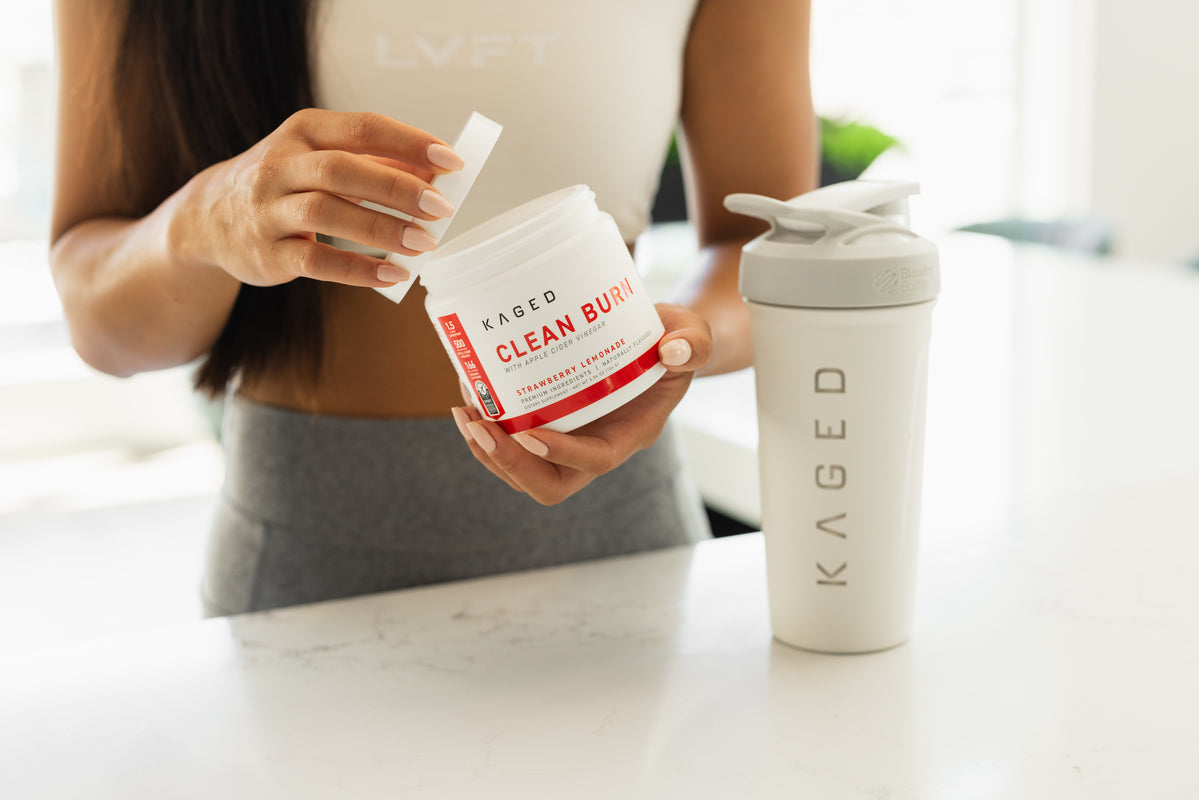
When we formulated Kaged Clean Burn powder, opens in a new tab, we included 166mg of organic caffeine. Clean Burn contains ingredients shown to support metabolism and healthy weight loss, but that's not why we included caffeine.
It's a key part of the formula because of these indirect benefits. We call it "cardio's best friend" because it delivers the energy you need during your cut phase.
When used strategically, caffeine can be an effective tool in your weight-loss journey—but it should never replace the fundamentals of a well-balanced diet, proper training, and sustainable habits.
The Science of Caffeine and Weight Loss
Every now and then, a new study hits the mainstream about caffeine and weight loss. Of course, most people only read the headline, and will not dive deeper into what the study looked at and concluded.
For example, a 2020 headline read, “Four cups of coffee a day associated with modest loss of body fat.”, opens in a new tab
Research suggests that caffeine can increase daily energy expenditure, but the effect is very modest. A few cups of coffee will not get you a six-pack.
One often-cited meta-analysis, opens in a new tab concluded that “demonstrated that caffeine intake might promote weight, BMI and body fat reduction.”
If you read closely, you'll see that the analysis included studies that used calorie-restricted diets and even other stimulants. In other words, caffeine with other methods may support weight loss, not caffeine alone.
Caffeine and Appetite Suppression
Caffeine has also been suggested to support weight loss by helping regulate appetite. Again, the research tells a more nuanced story. A 2017 review, opens in a new tab of studies on coffee and caffeine’s effects on hunger, digestion, and food intake found mixed results:
- Drinking coffee 3–4.5 hours before a meal had little to no effect on how much people ate.
- Caffeine, when taken 30 minutes to 4 hours before a meal, may temporarily reduce calorie intake—but the effect isn’t consistent.
- Studies on caffeine’s influence on digestion speed, appetite-related hormones, and hunger perception show conflicting results.
It’s not a reliable appetite suppressant.
Caffeine Does Not Replace A Sound Diet, Comprehensive Training, and a Healthy Lifestyle
No amount of caffeine will replace the fundamentals of weight loss:
- A caloric deficit is the only scientifically proven way to lose fat.
- A structured training program helps maintain muscle and improves metabolism.
- A healthy lifestyle—including proper sleep, stress management, and quality nutrition—plays a major role in sustainable weight loss.
Caffeine can be a useful tool in a cutting stack, opens in a new tab—but it’s not a shortcut to fat loss. Instead of chasing quick fixes, focus on building sustainable habits that drive real results.
The Clean Burn Line for Weight Loss Support*
If you're looking for an extra boost to help you hit your weight loss goals, the Clean Burn line can help you.
If you're looking for caffeine, Clean Burn powder is the ideal choice. If you have more aggressive weight loss goals, Clean Burn Elite, opens in a new tab includes an extra patented ingredient, InnoSlim®. If you don't want caffeine, Clean Burn Capsules, opens in a new tab bring the ingredients shown to support metabolism, without the stimulants.

SHOP CLEAN BURN POWDER, opens in a new tab

SHOP CLEAN BURN CAPSULES, opens in a new tab
*These statements have not been evaluated by the FDA. This product is not intended to diagnose, treat, cure, or prevent any disease.