The Hidden Problems with Protein Bars—And What to Have Instead
Protein bars are everywhere, from gas stations to gyms to office snack drawers. On the surface, they seem like a great option: convenient, portable, and packed with protein.
But if you look closer, many of them are built on shortcuts.
From cheap protein sources to sugars and fillers, a lot of bars are more candy than clean fuel.
If you’re serious about performance, recovery, or just getting clean protein into your diet, here’s what to watch out for and what to consider instead.
1) Low-Quality Protein Sources
The label might say “20g of protein,” but where that protein comes from matters.
Many popular bars use lower-cost protein sources like whey concentrate, soy protein, or calcium caseinate.
These proteins are cheaper and processed than alternatives like whey protein isolate and micellar casein. They often contain more lactose, fat, and impurities than higher-grade options.
Here’s why that matters:
- Whey concentrate is a less well-filtered version of whey protein, which means it contains more lactose and fat than whey isolate. We discuss this more in this article on whey isolate vs concentrate, opens in a new tab.
- Soy protein isolate is a highly processed form of soy protein, more so than what you'd find in tofu or tempeh.
- Caseinate proteins come from milk. The ultra-filtered, gold-standard form is micellar casein. Other forms contain more impurities and fillers.
In short, it’s not just the grams of protein, but the source of protein too.
With protein bars, it’s harder to make high-quality protein sources like whey protein isolate and micellar casein taste great. For a cleaner protein supplement option, check out Kaged’s proteins.
They’re always 100%, ultra-filtered, and with a minimal amount of sugars and fat.

SHOP PROTEIN POWDER, opens in a new tab
2. Loaded with Sugar (or Questionable Substitutes)
You’ve seen the chocolatey coating, the sweet caramel layer, the chewy texture. It looks and probably tastes great.
Some of the most popular protein bars have as much sugar as a donut.
Others swap sugar for sugar alcohols like maltitol and sorbitol. Now, the conversation around artificial sweeteners is nuanced. In Kaged supplements, we use sucralose (Splenda) alongside natural stevia, but avoid Ace-K, aspartame, and sugar alcohols.
The latter are common in protein bars, but they can cause bloating, gas, and digestive upset, especially in high amounts.
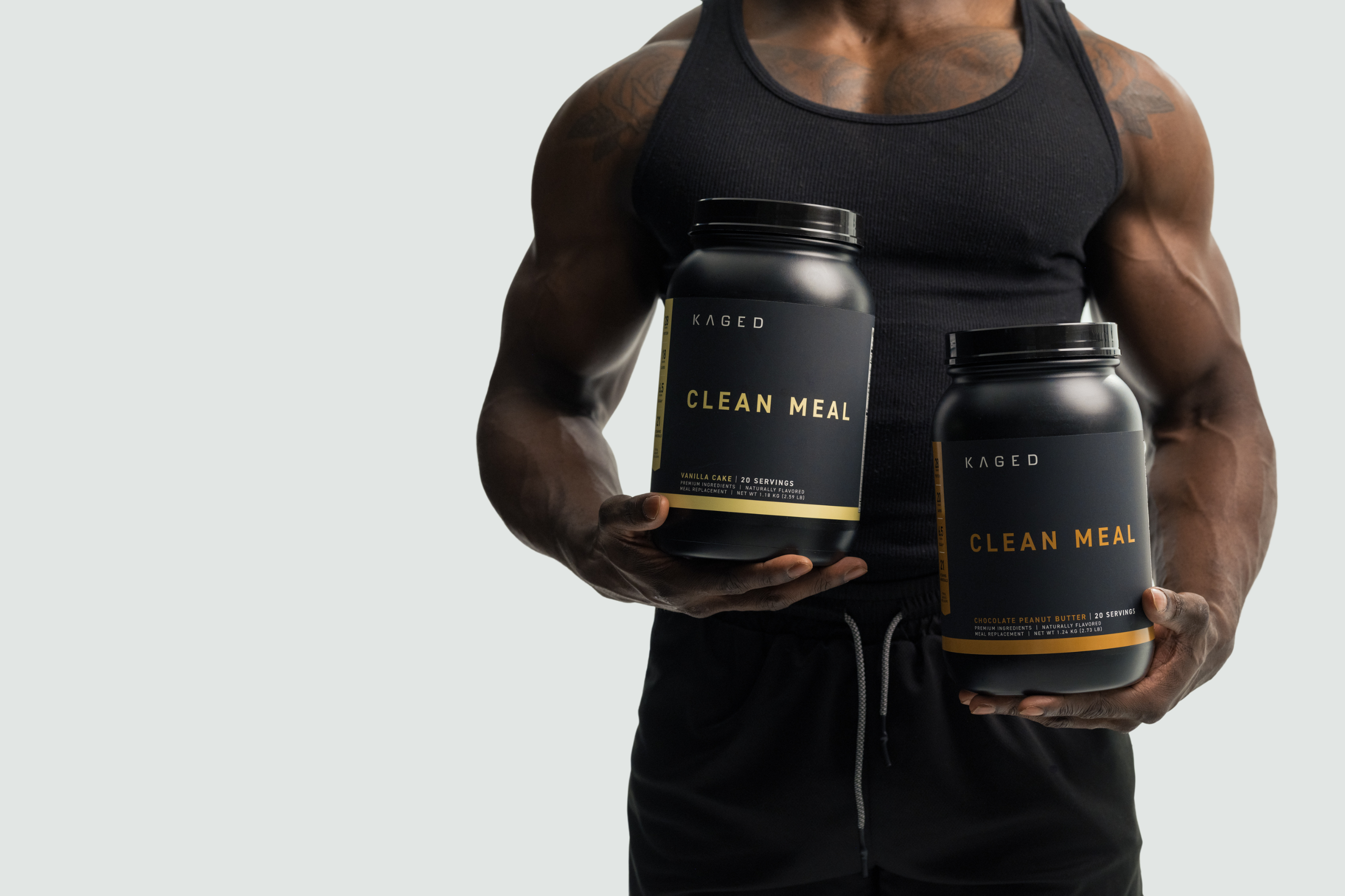
If you’re looking for more of a complete meal and more caloric density, check out Kaged Clean Meal, opens in a new tab.

This convenient, health-first meal replacement shake brings ultra-filtered whey protein isolate along with fats from coconut oil, carbs from quinoa and oats, and micronutrients from whole-food sources.
3. Heavily Processed Ingredients
Take a look at the ingredients list on most bars, and you’ll find a chemistry lab of:
- Preservatives
- Vegetable oils and emulsifiers
- Gums, fillers, and stabilizers
Many bars are ultra-processed, built for shelf life rather than clean nutrition.
This kind of ingredient overload can cause bloating, gut discomfort, and inflammation.
If you can’t read or understand all the ingredients on a label, maybe it’s time to pause and reflect.
A Cleaner Way to Hit Your Protein Goals
Bars are easy. That’s why they’re so popular. They can taste good too. And no doubt, when it comes to clean nutrition, some are better than others.
But tried-and-true protein shakes often provide a cleaner way to supplement with the high-quality protein you need.
At Kaged, we know that a variety of flavors and formulas is key. From whey to casein, to chocolate to orange cream, we have you covered with an array of formulas.