

Can You Mix Protein and Pre-Workout? (What the Science Says)
You could mix protein and pre-workout in the same shake. It's safe for most people, and there's no chemical reaction that makes the combination harmful or less effective. The real question isn't whether you can, it's whether you should. That comes down to timing, digestion, and what you're trying to get out of each scoop.
Pre-workout is built to be felt fast: caffeine, citrulline, and other performance ingredients that prime you in the 20–30 minutes before training. Protein is built for repair. It feeds the muscle-building process in the hours around your session. They serve different jobs at different points on the clock, and understanding that is the difference between guessing and training with intent.
What each one is for
Pre-workout is a performance primer. The goal is to raise energy, sharpen focus, and improve blood flow and output for the session ahead. The ingredients that drive that — caffeine for alertness, L-citrulline for nitric-oxide-supported pumps, beta-alanine for muscular endurance — work best when they hit your system shortly before you train. That's the whole point of the "pre."
Protein is a recovery and growth tool. Your muscles rebuild from the micro-damage of training using amino acids, and a high-quality protein source delivers them. Whey isolate in particular digests quickly and is rich in leucine, the amino acid most responsible for triggering muscle protein synthesis. Protein helps before, during, and after a workout — but its biggest job lives on the recovery side.

So should you mix them in one shake?
We don't recommend it
You can, and plenty of people do. But if you blend a full protein serving into your pre-workout and drink it right before training, you're asking your stomach to digest 25+ grams of protein while you're trying to move heavy weights.
For some people that's fine. For others, it means bloating, sloshing, or a heavy gut mid-set. Protein takes longer to digest than the fast-acting ingredients in a pre-workout, and intense training diverts blood away from digestion.
Alternate Approaches for Most Lifters
1) The most popular and simplest approach for most lifters:
- Pre-workout 20–30 minutes before training, on a relatively empty stomach, so the active ingredients hit clean.
- Protein after training (or split before and after), when your muscles are primed to absorb amino acids and your stomach isn't competing with a heavy lift.
That said, if you train fasted and want a small amount of protein to blunt muscle breakdown, you do have options.
2) You could take a scoop of fast-digesting protein like Whey Protein Isolate, opens in a new tab about 1 hour before training, then take your pre-workout 30 minutes before training.
3) If you like taking protein closer to your workout, opt out of the pre-workout, and stack your protein with ingredients like caffeine, opens in a new tab, L-citrulline, opens in a new tab for pumps, and easy-mixing creatine HCl, opens in a new tab for strength.*
What the research says about timing
This is a controversial topic, and recent research has dampened the idea of the "post-workout window., opens in a new tab"
For muscle growth, your total daily protein intake matters more than the exact minute you take it.
Research on nutrient timing consistently shows that hitting your daily protein target — roughly 1.6 to 2.2 grams per kilogram of bodyweight for active people — drives results more than obsessing over a narrow "anabolic window."
Now, we believe that there is nuance to this. Timing does matter, just not as much as we thought when the "anabolic window" was treated as an unmistakable fact.
This means you don't have to force protein into your pre-workout out of fear of missing a window.
Take your pre-workout to train hard, and place your protein where it's most convenient and best tolerated across the day.
How to combine them the smart way
If your goal is performance and recovery on training days, a simple, proven structure looks like this:
- Pre-workout, 20–30 min before: Mix it with cold water. You want the caffeine and pump ingredients working, not competing with digestion.
- Intra-workout (optional): Electrolytes and fast-digesting carbs or aminos to stay hydrated and sustain output through long sessions.
- Protein, after training: A fast-digesting whey isolate delivers leucine-rich aminos when your muscles are most receptive.
This is the logic behind a pre / intra / post structure — each product does one job at the right time, instead of one shake trying to do everything at once.
The Kaged approach
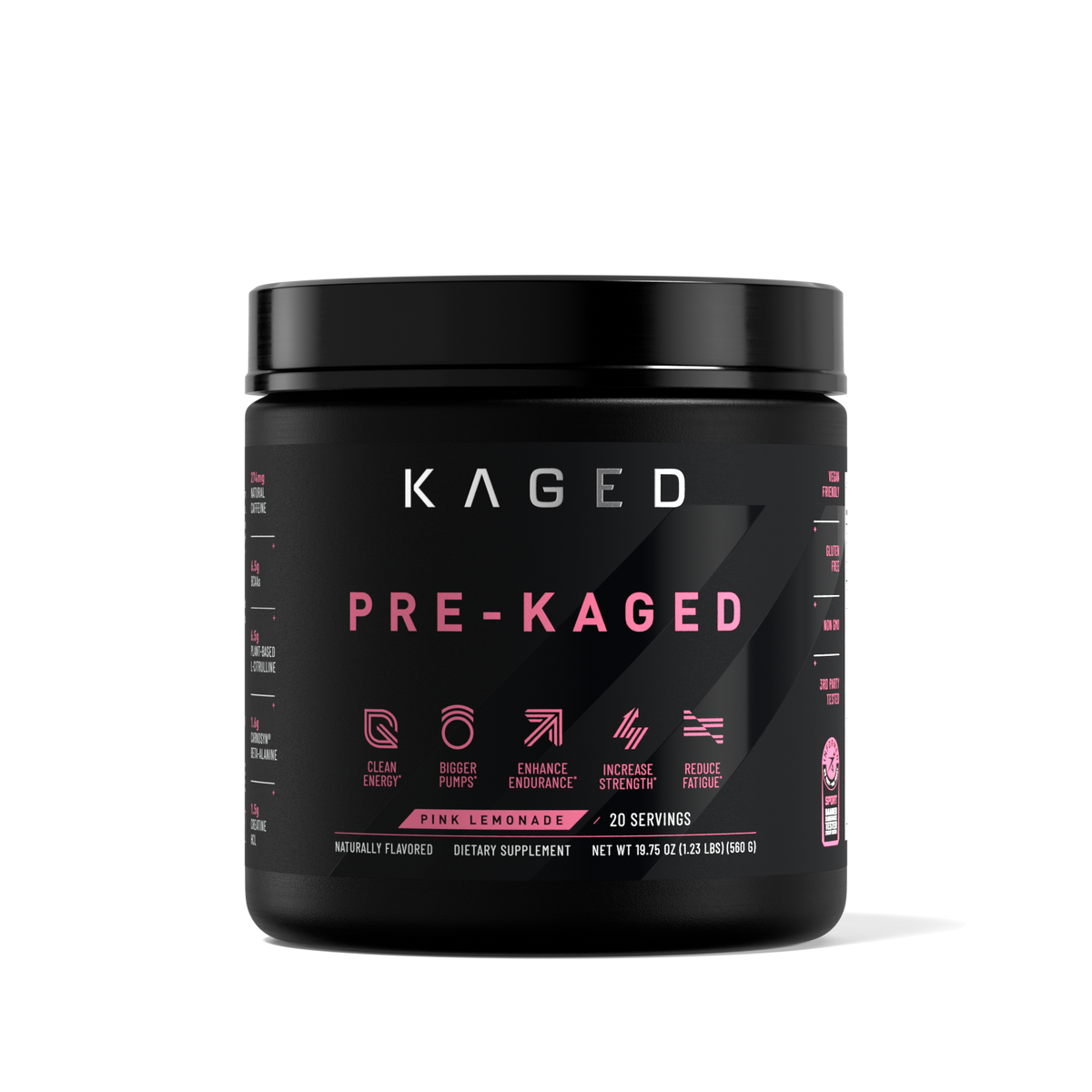
At Kaged, we build each formula to do its job and nothing it shouldn't. Kaged Pre-Workouts are engineered to drive performance, with meaningful doses of L-citrulline, beta-alanine, and natural caffeine to drive energy, focus, and pumps when you take it before training.
Kaged Whey Protein Isolate is a clean, fast-digesting isolate with 25g of protein and added digestive enzymes, made to feed recovery without the bloat.
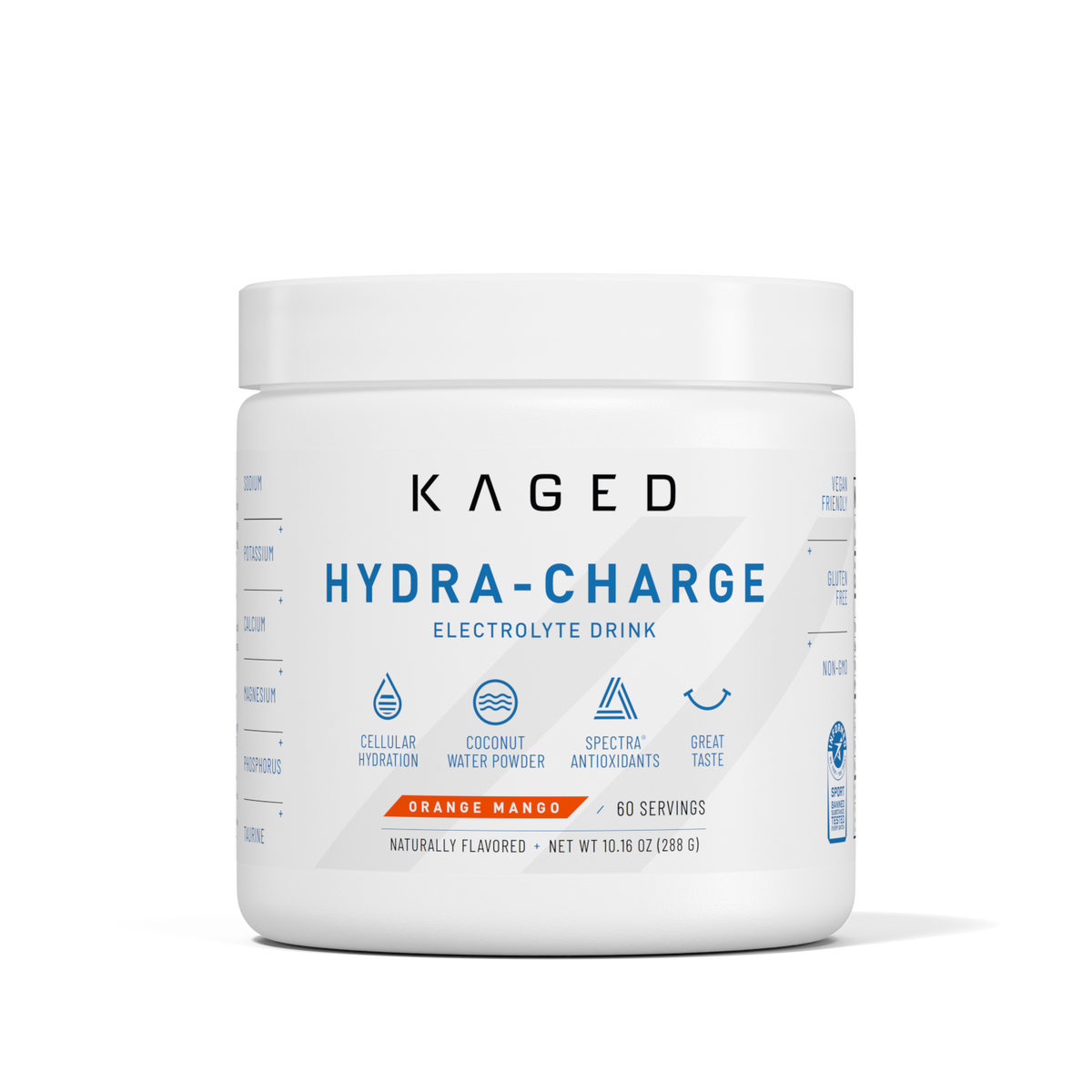
And Hydra-Charge rounds out the intra-workout slot with electrolytes to keep you hydrated through the session.
You can absolutely stack them — just stack them with intent. Pre-workout to train. Hydration to sustain. Protein to recover. That's not more product for the sake of it; it's the right tool at the right moment, which is how premium results are actually built.
Frequently asked questions
Is it bad to mix pre-workout and protein powder?
While the flavors likely won't mix well, it's not bad or dangerous for most healthy people. There's no harmful interaction.
The main downside is potential digestive discomfort from drinking a large protein dose alongside a pre-workout right before intense training.
Can I take pre-workout and protein at the same time?
The cleaner approach is pre-workout before training and protein after, since they serve different purposes and protein digests more slowly.
Does protein cancel out pre-workout?
No. Protein doesn't neutralize caffeine, citrulline, or other pre-workout ingredients. It may slightly slow how fast you feel the stimulant effects if taken together, but it doesn't reduce their effectiveness.
What should I take before a workout, protein or pre-workout?
For energy and performance, take pre-workout. For preventing muscle breakdown during fasted or early-morning sessions, a small amount of fast-digesting protein can help. Many lifters benefit from both, timed appropriately.
When is the best time to take protein?
The most important factor is hitting your total daily protein target. Post-workout is a convenient, effective time, but spreading protein across the day works just as well for muscle growth.